Uses of Carbon Fiber in Military Applications
Carbon fiber is a versatile material that has found various uses in military applications. The characteristic of exceptional strength, lightweight nature and resistance to corrosion makes the composite material and its wide range of products suitable for use and application in military purposes.
Here are some common uses of carbon fiber products in military applications:
Aerospace Components: Extensively used in the construction of military aircraft and helicopters. It is used in components such as wings, fuselage sections, rotor blades, and tail sections. The high strength-to-weight ratio helps in reducing the overall weight of the aircraft, improving fuel efficiency, and increasing maneuverability.
Body Armor and Protective Gear: Employed in the manufacturing of body armor and protective gear for military personnel, carbon fiber sheets provide enhanced protection against ballistic threats while being lightweight, enabling better mobility for soldiers.
Weapon Systems: Carbon fiber components are employed in the manufacturing of weapon systems such as missile bodies, launch tubes, and gun barrels. The high strength and stiffness contribute to improved accuracy, reduced weight, and increased durability of these weapon systems.
Unmanned Aerial Vehicles (UAVs): Used in the construction of UAVs or drones utilized for reconnaissance, surveillance, and combat purposes. CNC Carbon fiber parts enable UAVs to have increased payload capacity, longer flight durations, and improved maneuverability.
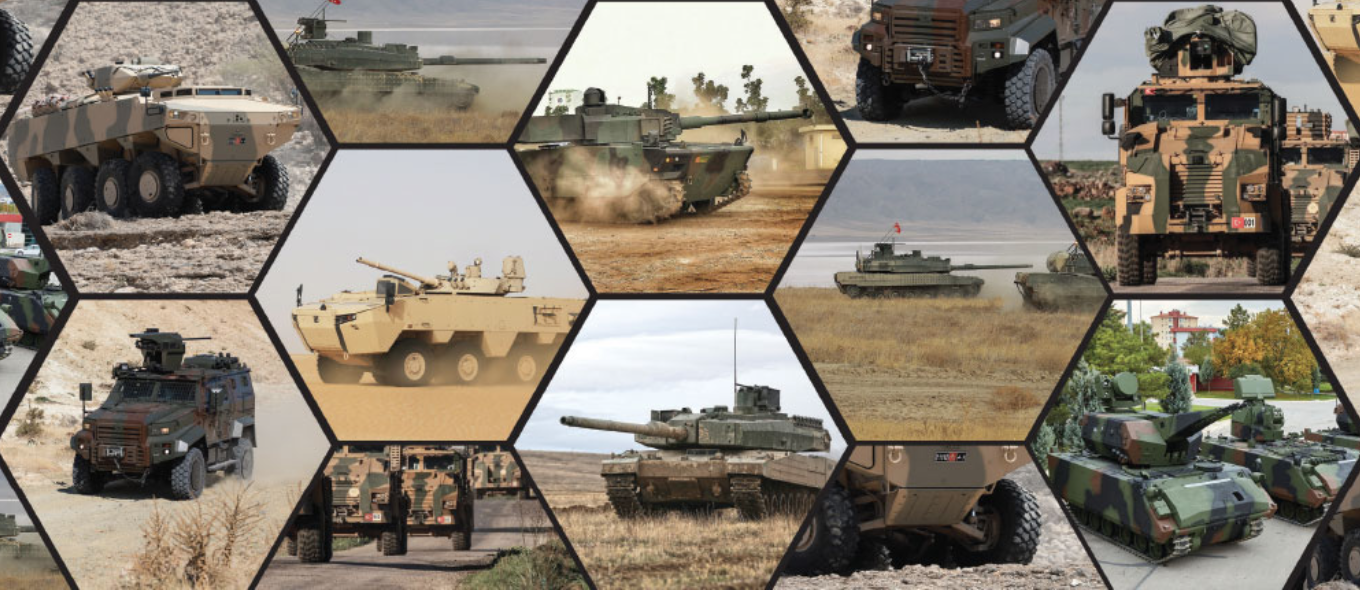
Vehicle Armor: Carbon fiber-reinforced composites are utilized in the production of armored vehicles, offering protection against ballistic threats. The lightweight nature helps in maintaining vehicle mobility while providing enhanced survivability for occupants.
Communication and Electronic Equipment: Utilized in the construction of antenna supports and radar equipment, enabling reliable communication and surveillance capabilities in military operations.
Equipment and Gear: Used to manufacture various military equipment and gear, including backpack frames, helmets, and weapon accessories, the composite material provides durability, strength, and lightweight characteristics, enhancing the performance and comfort of soldiers.
The exceptional properties of carbon fiber make it an ideal material for numerous military applications, improving overall performance, safety, and operational efficiency in the field.
The use of carbon fiber in military applications offers several advantages that make it a desirable material for various purposes. It offers significant advantages, including weight reduction, increased strength, corrosion resistance, stealth capabilities, and design flexibility. These properties contribute to improved performance, reliability, and survivability in military operations.
Here are some key advantages of using carbon fiber in military applications:
High Strength-to-Weight Ratio: It is renowned for its exceptional strength-to-weight ratio. It is significantly stronger than traditional materials like steel while being much lighter. This strength-to-weight ratio allows military equipment and vehicles to have increased strength and durability without adding unnecessary weight, leading to improved performance, maneuverability, and fuel efficiency.
Lightweight: This particular characteristic makes them valuable in military applications where weight reduction is crucial. Lighter equipment and vehicles can enhance mobility, agility, and transportability, allowing for easier deployment and reducing the strain on military personnel.
Rigidity and Stiffness: These features provide structural integrity and stability to military equipment and structures. This rigidity ensures that components maintain their shape and withstand external forces, vibrations, and impacts. It is particularly advantageous in applications such as aerospace structures, weapon systems, and vehicle armor.
Corrosion Resistance: Inherently resistant to corrosion, which is especially beneficial in military environments where exposure to harsh conditions, moisture, and chemicals is common. This resistance reduces the need for frequent maintenance, enhances the lifespan of equipment, and improves reliability in challenging operational environments.
Stealth Capabilities: Having electromagnetic transparency properties it is useful in stealth applications. They can reduce the radar signature of military aircraft, vehicles, and equipment, enhancing their stealth capabilities and reducing the chances of detection by enemy radar systems.
Design Flexibility: Molded into various shapes and forms, providing design flexibility for military equipment and structures. It allows for complex geometries, streamlined aerodynamics, and optimized designs that can improve performance and functionality.
Impact Resistance: Exhibiting excellent impact resistance, which is beneficial in applications requiring protection against ballistic threats, explosive forces, or shockwaves. The ability to absorb and distribute impact energy helps to enhance the safety and survivability of military personnel and equipment.
Durability: Known for its exceptional durability and resistance to fatigue. It can withstand prolonged use and repeated loading without significant degradation, ensuring a longer operational lifespan for military equipment and structures.